Leadership transition positions ETT for its next phase of commercial growth and physician adoption
GOSSELIES, Belgium, July 22, 2026 /PRNewswire/ -- Endo Tools Therapeutics (ETT), developers of advanced endoscopic medical devices, today announced the appointment of Devon Bream, MPH, FACHE, as Chief Executive Officer.
Bream joins ETT with more than 25 years of executive leadership experience across the medical technology, imaging, and endoscopy sectors. Throughout his career, he has held executive positions with Karl Storz Endoscopy, STERIS Corporation, Olympus Corporation, Fujifilm Medical, Endoluxe, and GE Healthcare. His experience includes global commercial leadership, strategic growth initiatives, successful mergers and acquisitions, and the development of innovative healthcare technologies.
A recognized healthcare leader and innovator, Bream holds multiple U.S. patents related to medical imaging and workflow technologies. He earned a Master of Public Health Management degree from the University of California, Los Angeles and is a Fellow of the American College of Healthcare Executives (FACHE). He is also actively involved in mentoring emerging healthcare professionals and advancing collaboration across surgical, interventional, and imaging specialties.
Alexandre Chau will transition to the role of Chief Operating Officer, where he will continue to support the company's growth and operational execution, ensuring leadership continuity as ETT enters its next phase of commercial expansion and innovation. "I want to thank Alexandre Chau for his leadership in advancing ETT to this important point in its evolution," said Denis Gestin, chairman of the board of ETT. Devon Bream added : "His vision and dedication have established a strong foundation for commercial growth, and I look forward to working closely with him in his new role as COO."
With FDA 510(k) clearance secured earlier this year, ETT is actively expanding availability of the endomina EZFuse system across leading centers in the United States, with continued focus on driving physician adoption and building durable clinical experience.
Physician feedback reinforces the value proposition of the EZFuse system, delivering a simple, intuitive solution that enhances procedural efficiency without disrupting established workflows.
"In the coming weeks, we will actively engage GI clinicians, surgeons, surgery centers and hospitals across the U.S. interested in evaluating the new EZFuse firsthand," added Bream. "ETT has developed an innovative platform that addresses important unmet needs in endoscopic procedures. I am excited to work alongside our team, physician partners, and customers as we continue expanding access to minimally invasive solutions for patients worldwide."
About Endo Tools Therapeutics
Located in Gosselies, Belgium, Endo Tools Therapeutics S.A. offers a portfolio of advanced, incisionless and minimally invasive endoscopic medical devices. The company's mission is to expand the range of gastrointestinal procedures that can be performed using standard gastroscopes, improving patient outcomes while reducing procedural burden. In Europe and select Middle East countries, the platform is used for endoscopic gastroplasty procedures for the treatment of obesity, while in the U.S. it is cleared for placement of sutures and approximation of soft tissue in the gastrointestinal tract.
 View original content:https://www.prnewswire.co.uk/news-releases/endo-tools-therapeutics-appoints-devon-bream-as-chief-executive-officer-302831470.html

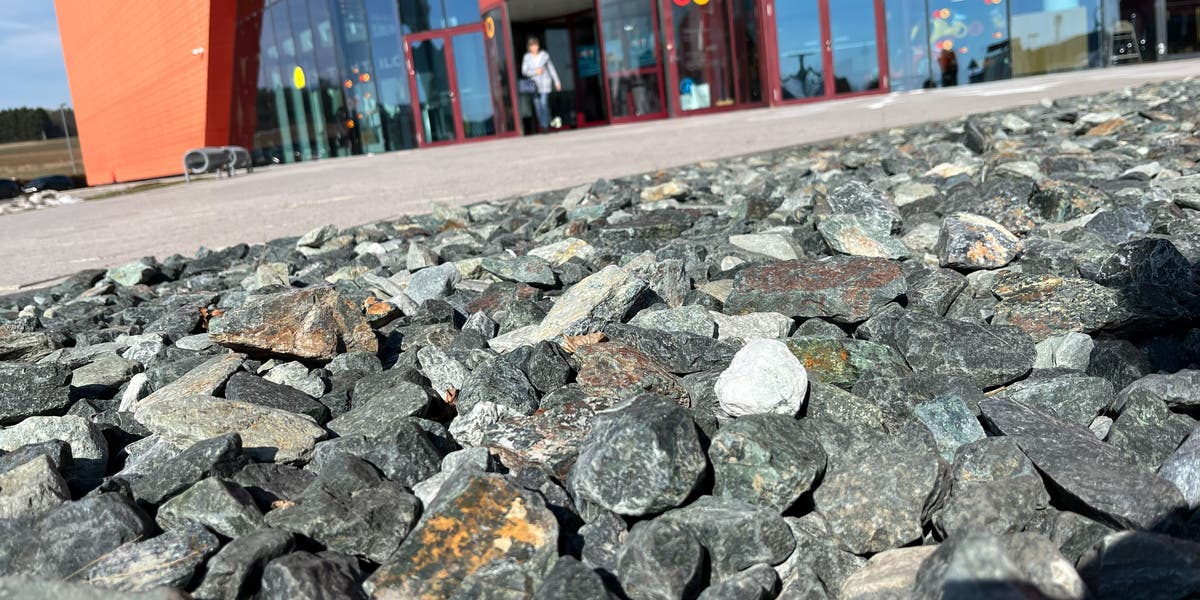
Der Asbest-Skandal rund um mehrere Steinbrüche im Burgenland entwickelt sich zu einer Milliardenbelastung für die öffentliche Hand. Nach einer neuen Berechnung der Umweltorganisation Greenpeace wird der materielle Schaden durch Entsorgung und Sanierung mindestens 1,6 Milliarden Euro betragen. Betroffen sind nicht nur das Burgenland, sondern auch Teile der Steiermark, Niederösterreichs sowie Gebiete in Ungarn, in die asbesthaltiges Material geliefert oder verbaut wurde.
Grundlage der Kostenschätzung ist die Annahme, dass seit 1990 rund 26 Millionen Tonnen asbesthaltiges Gestein aus vier Steinbrüchen abgebaut wurden. Greenpeace geht davon aus, dass etwa 20 Millionen Tonnen kurz- oder langfristig auf Asbestdeponien landen werden, während der Rest als Straßenunterbau, Fundamente oder in privaten Gärten in der Umwelt verbleibt und kaum mehr rückholbar ist. Rund 20 Prozent des Abfalls sollen in Form von asbesthaltigem Asphalt anfallen, dessen Deponierung besonders aufwendig ist und künftige Straßensanierungen über Jahrzehnte verteuern dürfte.
Mindestens drei Viertel der veranschlagten 1,6 Milliarden Euro entfallen laut Greenpeace auf die Entsorgung des Materials, der Rest auf Sanierungen. Für die Rechnung wurde ein Entsorgungspreis von lediglich 50 Euro je Tonne angesetzt – etwa die Hälfte des vor Bekanntwerden des Skandals üblichen Marktpreises. Diese Kalkulation sei nur zu halten, wenn rasch neue, sichere und kostengünstige Deponien errichtet werden, etwa in bereits geschlossenen Steinbrüchen, argumentiert Greenpeace. Andernfalls könnten sich die Gesamtkosten nach Einschätzung der Organisation auf mindestens das Doppelte erhöhen.
Die von Greenpeace genannten Summen übersteigen die Umsätze der betroffenen Steinbruchbetreiber deutlich und dürften auch die finanziellen Möglichkeiten des Landes Burgenland überfordern. Die Umweltorganisation drängt daher auf ein Eingreifen des Bundes und fordert, Mittel aus der Katastrophenhilfe bereitzustellen und einen Rahmen für eine kostengünstige Entsorgung zu schaffen. Zugleich verweist sie auf die Verantwortung des zuständigen Umweltministers, für ausreichend Deponiekapazitäten zu sorgen, um Kostenrisiken zu begrenzen und die logistisch aufwendige Räumung der asbestbelasteten Materialien langfristig planbar zu machen.