BEIJING, June 10, 2026 /PRNewswire/ -- A report from People's Daily:
On June 9, the second World Conference of Classics opened in Athens, Greece, convening top scholars from around 20 countries under the theme "Dialogue Between Ancient and Modern: Contemporary Inspiration from Classical Wisdom."
Participants are drawing upon the intellectual legacy of ancient civilizations to seek insights from the wisdom of classical sages and build consensus for addressing today's global challenges.
From Beijing to Athens, China and Greece have jointly hosted two editions of the conference, creating a bridge for exchanges and mutual learning among civilizations and encouraging scholars from around the world to engage in dialogue at the very roots of human civilization. Its significance stretches far beyond academia.
As two of the most important sources of Eastern and Western classical civilizations, China and Greece have both made remarkable contributions to human progress through extraordinary cultural achievements, leaving legacies that still resonate today.
From the philosophical insights of Laozi, Confucius, and Mencius in the East to the intellectual inquiries of Socrates, Plato, and Aristotle in the West, ancient thinkers explored enduring questions of human nature, governance, and social relations -- questions that remain deeply relevant in the 21st century.
By drawing deeper on the shared values, worldviews, cosmologies, philosophies of life, scientific outlooks, and cultural traditions embedded in these two civilizations, humanity gains valuable intellectual resources to address shared challenges and advance the building of a community with a shared future for humanity.
Preserving civilization and deepening people-to-people and cultural exchanges have long been priorities for China. The enduring wisdom of Chinese civilization, including harmony without uniformity, peaceful coexistence among nations, people-centered governance, reform and innovation, harmony with nature -- continue to offer inspiration for answering the questions of the times and the challenges facing the world.
An increasing number of Chinese and international scholars have called for integrating Chinese classical studies more fully into the global academic landscape and jointly building a broader framework of "greater classics" studies.
China has proposed and actively implemented the Global Civilization Initiative, advocating dialogue over division, exchange over estrangement, and cooperation over confrontation, while working to advance the building of a community with a shared future for humanity through stronger civilizational exchanges.
The world today is undergoing profound transformation. Geopolitical conflicts, climate change, the digital divide, and questions surrounding technology ethics are intersecting and intensifying.
Against this backdrop, the conference has organized four parallel forums addressing topics such as modern interpretations of classical education, ethical communities in the transition from ancient to modern times, civilizational solutions to the shifting global landscape, and humanism in the age of digital intelligence. These discussions directly engage some of the most pressing issues of our time.
The conference makes clear that classical studies, while rooted in antiquity, are firmly focused on humanity's present and future. In the view of many participants, the conference not only advances scholarship in classical studies but, more importantly, highlights the possibility of equal dialogue and the shared foundations of mutual understanding.
As Roger T. Ames, vice president of the International Confucian Association, observed, zero-sum thinking continues to permeate international relations today. What is needed instead is deeper civilizational dialogue that explores shared values, uncovers common historical memories, and respects the unique contributions of diverse civilizations.
 View original content:https://www.prnewswire.co.uk/news-releases/let-light-of-classical-wisdom-illuminate-humanitys-path-forward-302796574.html

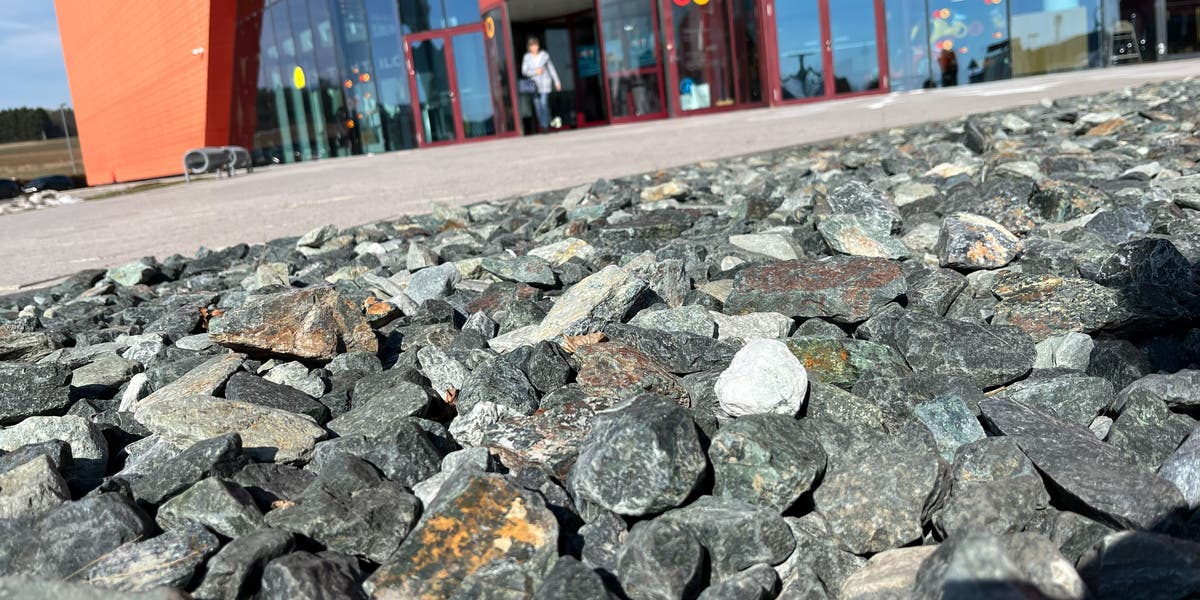
Der Asbest-Skandal rund um mehrere Steinbrüche im Burgenland entwickelt sich zu einer Milliardenbelastung für die öffentliche Hand. Nach einer neuen Berechnung der Umweltorganisation Greenpeace wird der materielle Schaden durch Entsorgung und Sanierung mindestens 1,6 Milliarden Euro betragen. Betroffen sind nicht nur das Burgenland, sondern auch Teile der Steiermark, Niederösterreichs sowie Gebiete in Ungarn, in die asbesthaltiges Material geliefert oder verbaut wurde.
Grundlage der Kostenschätzung ist die Annahme, dass seit 1990 rund 26 Millionen Tonnen asbesthaltiges Gestein aus vier Steinbrüchen abgebaut wurden. Greenpeace geht davon aus, dass etwa 20 Millionen Tonnen kurz- oder langfristig auf Asbestdeponien landen werden, während der Rest als Straßenunterbau, Fundamente oder in privaten Gärten in der Umwelt verbleibt und kaum mehr rückholbar ist. Rund 20 Prozent des Abfalls sollen in Form von asbesthaltigem Asphalt anfallen, dessen Deponierung besonders aufwendig ist und künftige Straßensanierungen über Jahrzehnte verteuern dürfte.
Mindestens drei Viertel der veranschlagten 1,6 Milliarden Euro entfallen laut Greenpeace auf die Entsorgung des Materials, der Rest auf Sanierungen. Für die Rechnung wurde ein Entsorgungspreis von lediglich 50 Euro je Tonne angesetzt – etwa die Hälfte des vor Bekanntwerden des Skandals üblichen Marktpreises. Diese Kalkulation sei nur zu halten, wenn rasch neue, sichere und kostengünstige Deponien errichtet werden, etwa in bereits geschlossenen Steinbrüchen, argumentiert Greenpeace. Andernfalls könnten sich die Gesamtkosten nach Einschätzung der Organisation auf mindestens das Doppelte erhöhen.
Die von Greenpeace genannten Summen übersteigen die Umsätze der betroffenen Steinbruchbetreiber deutlich und dürften auch die finanziellen Möglichkeiten des Landes Burgenland überfordern. Die Umweltorganisation drängt daher auf ein Eingreifen des Bundes und fordert, Mittel aus der Katastrophenhilfe bereitzustellen und einen Rahmen für eine kostengünstige Entsorgung zu schaffen. Zugleich verweist sie auf die Verantwortung des zuständigen Umweltministers, für ausreichend Deponiekapazitäten zu sorgen, um Kostenrisiken zu begrenzen und die logistisch aufwendige Räumung der asbestbelasteten Materialien langfristig planbar zu machen.