HANNOVER, Germany, Sept. 14, 2026 /PRNewswire/ -- At IAA TRANSPORTATION 2026, Pony AI Inc. ("Pony.ai") (NASDAQ: PONY; HKEX: 2026) today unveiled a new Level 4 (L4) autonomous heavy-duty truck developed in collaboration with GAC Commercial Vehicle. The global debut marks the latest step in the companies' collaboration and advances Pony.ai's efforts to bring its fourth generation (Gen-4) Robotruck platform into mass production and commercial deployment.
As one of the models in Pony.ai's Gen-4 Robotruck lineup, the new vehicle is built on GAC Commercial Vehicle's T9 battery-electric heavy-duty truck platform. Volume production is scheduled to begin later this year, with vehicles to be deployed in long-haul freight, dedicated-route logistics and port transportation.
The new model integrates Pony.ai's Gen-4 L4 autonomous trucking system with GAC Commercial Vehicle's fully redundant drive-by-wire chassis. Its steering, braking, communications, power supply, computing and sensing systems all feature fully redundant architectures to support safe operation across a wide range of conditions.
The vehicle is also equipped with a fully automotive-grade autonomous driving kit (ADK) comprising nine lidars, three millimeter-wave radars and 13 cameras, providing 360-degree sensing coverage with no blind spots. It uses the same domain controller as Pony.ai's seventh-generation (Gen-7) Robotaxis. The bill-of-materials cost of the ADK has been reduced by 70% compared with the previous generation, while transportation costs per ton-kilometer are expected to fall by 30%.
Pony.ai's energy-efficiency algorithms, combined with the T9's ultra-low drag coefficient of 0.4 Cd, are also expected to reduce energy consumption by 10% compared with conventional trucks, supporting smarter, greener and more efficient freight operations.
"The global debut of the T9 autonomous heavy-duty truck with GAC Commercial Vehicle marks another important step in accelerating the mass production and commercial deployment of Pony.ai's Robotrucks," He Xing, Vice President of Pony.ai and Head of the company's Robotruck business, said. "Looking ahead, we will deepen our collaboration with GAC Commercial Vehicle, continue advancing volume production and deployment of the T9 Robotrucks, and bring our jointly developed autonomous trucking solutions to markets around the world."
The new model extends Pony.ai's longstanding partnership with GAC Group from Robotaxi into Robotruck. Pony.ai and GAC Commercial Vehicle signed a strategic cooperation agreement on April 16. Within five months, the companies completed vehicle testing and validation ahead of the model's formal launch. This accelerated development process was supported by Pony.ai's autonomous driving expertise, together with GAC Commercial Vehicle's automotive engineering and manufacturing capabilities.
Pony.ai began developing Robotrucks in 2018 and has since built a product portfolio spanning heavy- and light-duty trucks. The company is advancing its Gen-4 Robotrucks toward mass production while working with vehicle manufacturers and logistics operators across long-haul freight, bulk commodity transportation, port logistics and urban delivery. Its approach applies the same underlying Virtual Driver technology across Robotaxis, heavy-duty trucks and light-duty trucks, supported by fully redundant safety architectures.
Pony.ai also plans to expand its Robotruck business internationally, including entering markets in Europe and the Middle East over the next two years. The company intends to build on the technology, commercial experience and partner-led approach developed through its operations in China, as well as the overseas operating experience of its Robotaxi business. Pony.ai currently has Robotaxi operations and partnerships underway in markets including the UAE, Qatar, Croatia, Luxembourg, Singapore and South Korea.
About Pony AI Inc.
Pony AI Inc. is a global leader in achieving large-scale commercialization of autonomous mobility. Leveraging its vehicle-agnostic Virtual Driver technology, a full-stack autonomous driving technology that seamlessly integrates Pony.ai's proprietary software, hardware and services, Pony.ai is developing a commercially viable and sustainable business model that enables the mass production and deployment of vehicles across transportation use cases. Founded in 2016, Pony.ai has expanded its presence across China, Europe, Asia, the Middle East and other regions, ensuring widespread access to its advanced technology.
 View original content:https://www.prnewswire.co.uk/news-releases/ponyai-unveils-new-gen-4-robotruck-in-collaboration-with-gac-commercial-vehicle-302877624.html

Die Festnahme des freien Journalisten Michael Bonvalot bei einer Versammlung in Steyr entwickelt sich in Österreich zu einem politischen Streitfall über das Verhältnis von Polizei, Demonstrationsrecht und Pressefreiheit. Bonvalot wollte nach eigenen Angaben am vergangenen Sonntag über einen „Aufmarsch der rechten Verschwörungsszene“ berichten, als er trotz gültigem Presseausweis von Einsatzkräften abgeführt wurde. Inzwischen ist ein Video des Vorfalls online, das die Debatte zusätzlich anheizt.
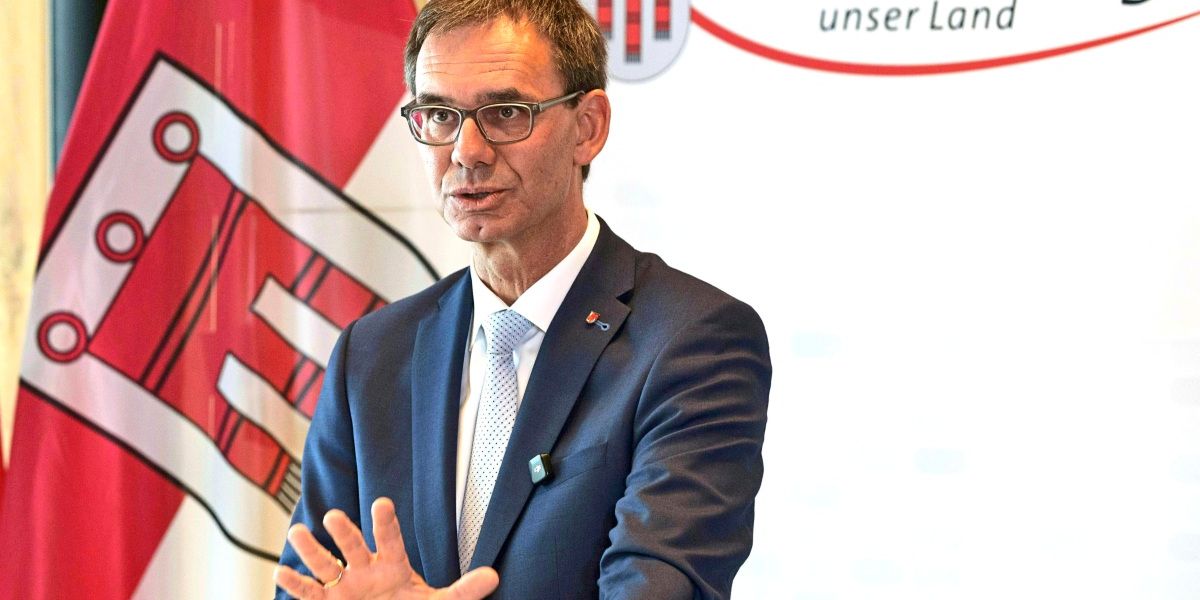
Steyrs Bürgermeister Markus Vogl (SPÖ) machte den Einsatz beim Sicherheitsgipfel mit der Polizei zum Thema und sprach von einem Vorgang, der „schwer zu verdauen“ sei. Nicht nur die Versammlungsfreiheit sei ein „hohes Gut“, betonte er, sondern ebenso die Pressefreiheit. Journalisten müssten bei solchen Einsätzen genauso geschützt werden wie Demonstrationsteilnehmer. Laut Vogl hatte Bonvalot aus rund 50 Metern Abstand berichten sollen und sich mit einem gültigen Presseausweis ausgewiesen.
Der Bürgermeister knüpfte seine Kritik an eine breitere Auseinandersetzung über die seit Jahren stattfindenden sonntäglichen Aufmärsche in Steyr. Diese sogenannten Spaziergänge, deren jüngste Ausgabe die 300. gewesen sein soll, hätten sich nach seinen Worten „bedauerlicherweise zu einer Anlaufstelle für demokratiefeindliche Gruppen“ entwickelt – mit prominenter Beteiligung von Szenefiguren wie Gottfried Küssel und Ken Jebsen. Während die Polizei bislang keine Gründe für ein Verbot dieser Versammlungen gesehen habe, entstehe nun der Eindruck, dass gegenüber einem Berichterstatter mit „zweierlei Maß“ gemessen werde. Vogl fordert von der Exekutive daher „vertrauensbildende Maßnahmen“; der Eindruck, polizeijuristische Einschätzungen gälten nicht für alle gleich, sei „untragbar“.
Innenminister Gerhard Karner (ÖVP) stellte sich demonstrativ hinter die Einsatzkräfte. Er verteidigte das Vorgehen der Polizei am Donnerstag als „verhältnismäßig und korrekt“ und widersprach damit der Darstellung, es handle sich um einen unverhältnismäßigen Eingriff in die Arbeit der Medien. Details zu der Einsatzbewertung blieben zunächst knapp, doch die veröffentlichten Videoaufnahmen dürften sowohl von Kritikern als auch von Befürwortern der Polizei genau analysiert werden. Während Vogl betont, er wolle trotz der guten bisherigen Zusammenarbeit mit der Polizei „nicht einfach zur Tagesordnung übergehen“, signalisiert das Innenministerium Rückendeckung für die Einsatzlinie vor Ort – ein Spannungsfeld, das die Diskussion über die Grenzen und den Schutz journalistischer Arbeit bei Demonstrationen weiter befeuern dürfte.