The first patent case in the imaging accessories industry to complete litigation and enforcement offers a practical reference for rights holders
SHENZHEN, China, Oct. 8, 2026 /PRNewswire/ -- The High People's Court of Guangdong Province has issued a final, legally binding judgment in favor of Shenzhen Leqi Innovation Co., Ltd., the company behind SmallRig, in a design patent infringement case involving Shenzhen Neewer Technology Co., Ltd. and Shenzhen Xing Ying Da Industry Co., Ltd. The court held that the accused products fall within the scope of protection of Leqi Innovation's design patent, dismissed Neewer Technology's appeal and affirmed the trial court's judgment in its entirety.
Under the judgment, the two defendant companies were ordered to cease manufacturing and selling the side handles at issue, destroy remaining inventory of the infringing products and related promotional materials, bear all court costs, and pay damages to Leqi Innovation. The damages awarded under the judgment have been paid in full.
The case is the first patent enforcement action in the imaging accessories industry to proceed through the entire judicial process, from evidence collection through trial, appeal and enforcement of the judgment, including full payment of damages. It provides a practical reference for companies seeking to enforce their patent rights in similar infringement cases.
Rapid growth in short-form video and livestreaming has increased demand for imaging accessories such as camera cages, side handles and cold shoe rails. Alongside that expansion, the market has seen a proliferation of products that closely resemble established designs in both appearance and construction. Some sellers copy other brands' product designs and structural features, making only minor changes to logos or colors before selling them at lower prices to gain market share through Chinese e-commerce channels and international marketplaces such as Amazon.
Tooling, contract manufacturing and online distribution are often handled by separate entities. This fragmented supply chain makes it harder for rights holders to trace products to their source, collect evidence and identify and pursue the responsible parties. Cases involving overseas platforms also require additional cross-border notarization procedures, increasing both the time and cost of enforcement.
Founded in 2010, Leqi Innovation launched SmallRig in 2013. The brand provides a full range of professional photography and filmmaking accessories to creators worldwide. Its portfolio includes camera and smartphone accessories, lighting and control equipment, power solutions, and microphones.
The company continues to invest in research and development while building a comprehensive, multilayered strategy for patent protection. It has pursued patent infringement actions involving a range of competing products in the market, allocating enforcement resources based on the circumstances of each case and prioritizing litigation involving patents covering its core products and technologies.
Across the imaging industry, companies such as DJI and Insta360 have also strengthened their intellectual property strategies in recent years, as original product developers become more willing to defend their rights in court. Where many manufacturers once chose not to take action against copycat products, leading companies now have established procedures for routinely collecting evidence and enforcing their rights. In pursuing infringement claims, rights holders may also seek to recover reasonable enforcement costs, including expenses associated with notarization, legal fees and evidence collection, as they seek compensation for losses tied to their R&D investments.
Intellectual property professionals say the final judgment, which granted all relief sought by the patent holder, reinforces judicial protection of design patent rights.
Companies still face practical challenges in enforcing their patent rights. Seeking preservation measures across multiple design patent cases involves significant procedural hurdles, while lengthy court proceedings and parallel actions add to the overall cost.
To support a healthier market for photography and filmmaking accessories, companies can continue investing in R&D, strengthen their patent portfolios and make effective use of legal remedies to protect their intellectual property. Industry associations and the courts can also work together to improve procedures and support for handling multiple intellectual property cases and reduce the barriers to enforcement. These efforts would promote competition based on original product development rather than low-cost imitation and products that closely replicate existing designs.
 View original content:https://www.prnewswire.co.uk/news-releases/smallrig-wins-final-ruling-in-side-handle-design-patent-case-against-neewer-302902289.html

Die Festnahme des freien Journalisten Michael Bonvalot bei einer Versammlung in Steyr entwickelt sich in Österreich zu einem politischen Streitfall über das Verhältnis von Polizei, Demonstrationsrecht und Pressefreiheit. Bonvalot wollte nach eigenen Angaben am vergangenen Sonntag über einen „Aufmarsch der rechten Verschwörungsszene“ berichten, als er trotz gültigem Presseausweis von Einsatzkräften abgeführt wurde. Inzwischen ist ein Video des Vorfalls online, das die Debatte zusätzlich anheizt.
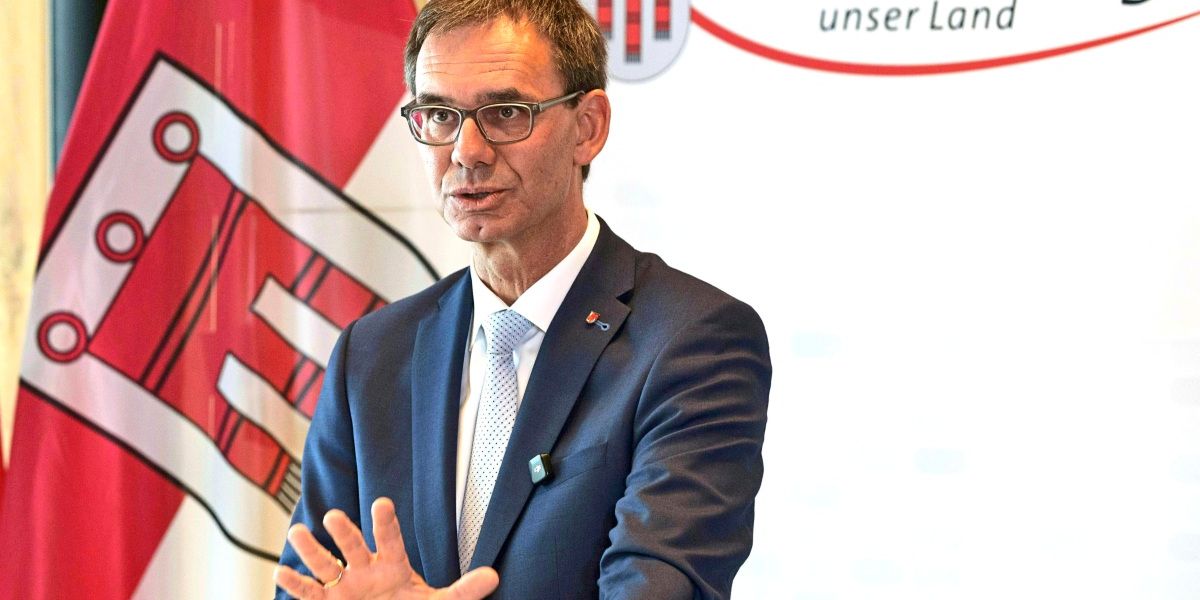
Steyrs Bürgermeister Markus Vogl (SPÖ) machte den Einsatz beim Sicherheitsgipfel mit der Polizei zum Thema und sprach von einem Vorgang, der „schwer zu verdauen“ sei. Nicht nur die Versammlungsfreiheit sei ein „hohes Gut“, betonte er, sondern ebenso die Pressefreiheit. Journalisten müssten bei solchen Einsätzen genauso geschützt werden wie Demonstrationsteilnehmer. Laut Vogl hatte Bonvalot aus rund 50 Metern Abstand berichten sollen und sich mit einem gültigen Presseausweis ausgewiesen.
Der Bürgermeister knüpfte seine Kritik an eine breitere Auseinandersetzung über die seit Jahren stattfindenden sonntäglichen Aufmärsche in Steyr. Diese sogenannten Spaziergänge, deren jüngste Ausgabe die 300. gewesen sein soll, hätten sich nach seinen Worten „bedauerlicherweise zu einer Anlaufstelle für demokratiefeindliche Gruppen“ entwickelt – mit prominenter Beteiligung von Szenefiguren wie Gottfried Küssel und Ken Jebsen. Während die Polizei bislang keine Gründe für ein Verbot dieser Versammlungen gesehen habe, entstehe nun der Eindruck, dass gegenüber einem Berichterstatter mit „zweierlei Maß“ gemessen werde. Vogl fordert von der Exekutive daher „vertrauensbildende Maßnahmen“; der Eindruck, polizeijuristische Einschätzungen gälten nicht für alle gleich, sei „untragbar“.
Innenminister Gerhard Karner (ÖVP) stellte sich demonstrativ hinter die Einsatzkräfte. Er verteidigte das Vorgehen der Polizei am Donnerstag als „verhältnismäßig und korrekt“ und widersprach damit der Darstellung, es handle sich um einen unverhältnismäßigen Eingriff in die Arbeit der Medien. Details zu der Einsatzbewertung blieben zunächst knapp, doch die veröffentlichten Videoaufnahmen dürften sowohl von Kritikern als auch von Befürwortern der Polizei genau analysiert werden. Während Vogl betont, er wolle trotz der guten bisherigen Zusammenarbeit mit der Polizei „nicht einfach zur Tagesordnung übergehen“, signalisiert das Innenministerium Rückendeckung für die Einsatzlinie vor Ort – ein Spannungsfeld, das die Diskussion über die Grenzen und den Schutz journalistischer Arbeit bei Demonstrationen weiter befeuern dürfte.