New Memorandum of Understanding establishes a cooperation framework focused on prevention, seller guidance, information exchange and the protection of Geographical Indications on Temu
ROME, Oct. 5, 2026 /PRNewswire/ -- Temu and Italy's Central Inspectorate for Fraud Repression and Quality Protection of Agri-Food Products (ICQRF) have signed a Memorandum of Understanding (MoU) to strengthen the protection of Geographical Indications (GIs) on Temu's marketplace.
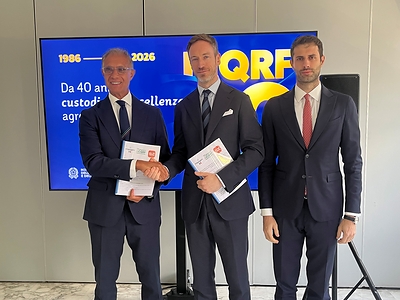
The agreement, signed in conjunction with an event marking ICQRF's 40th anniversary, places a strong emphasis on prevention. Temu and ICQRF will cooperate to provide sellers with appropriate information and guidance and will meet periodically to evaluate and develop joint initiatives aimed at strengthening the protection of GIs and preventing unfair commercial practices.
ICQRF is part of Italy's Ministry of Agriculture, Food Sovereignty and Forests (MASAF) and is the competent authority responsible for official controls on agri-food and wine products, with specific responsibilities relating to GIs. It is also part of the European network of competent national and EU authorities involved in GI protection and cooperates with stakeholders on agri-food and wine verification.
"Geographical Indications are an important part of Italy's renowned agri-food heritage, and protecting them in the digital environment requires close cooperation across the ecosystem," said a Temu spokesperson. "This agreement with ICQRF allows us to combine prevention, information and guidance for sellers, and ongoing information exchange with effective mechanisms for addressing potential infringements. By working together, we can promote best practices across our marketplace and strengthen the protection of Geographical Indications online."
The agreement also establishes an ongoing framework for cooperation and information exchange between Temu and ICQRF, with dedicated points of contact to facilitate regulatory clarification, address practical issues and coordinate the monitoring and development of activities under the MoU.
"The agreement with Temu represents another key milestone in ICQRF's strategy to protect Geographical Indications in international digital markets. Structured cooperation with leading online marketplaces is essential to combat online infringements and make the protection of our quality products increasingly effective," said Dr. Felice Assenza, Head of Department at ICQRF.
"In Temu, we have found a partner that is attentive and responsive to the need for effective protection and that, from the outset, has demonstrated a genuine willingness to engage in dialogue and cooperation. We are confident that this agreement will further strengthen the protection of the authenticity and reputation of Italian excellence," Dr. Assenza said.
Temu has introduced a dedicated GI category within its global Brand Registry, strengthening the tools available to GI rights holders worldwide. Rights holders and authorised agents can register their GI rights by submitting the relevant registration details and supporting documentation for Temu's review. Once approved, they can report potentially infringing listings directly through Temu's Brand Protection Center, providing a clearer and more streamlined route for GI-related complaints.
For Temu, the agreement builds on its ongoing work to advance intellectual property protection and promote best practices across its marketplace. Intellectual property protection is a core pillar of Temu's platform governance, supported by comprehensive policies and measures designed to protect rights holders.
About Temu
Temu is a global e-commerce platform connecting consumers with millions of manufacturers, brands and business partners. Operating in more than 90 markets worldwide, Temu is committed to providing affordable, high-quality products that enable customers to live better lives.
About ICQRF
The Central Inspectorate for Fraud Repression and Quality Protection of Agri-Food Products (ICQRF) is part of Italy's Ministry of Agriculture, Food Sovereignty and Forests (MASAF). ICQRF is the Italian competent authority responsible for official controls on agri-food and wine products, with specific responsibilities relating to Geographical Indications. It also designates and supervises public and private entities responsible for controls and certification activities relating to Geographical Indications.
 View original content to download multimedia:https://www.prnewswire.co.uk/news-releases/temu-and-italys-icqrf-partner-to-strengthen-protection-of-geographical-indications-online-302898165.html

Der bewaffnete Juwelenraub im Wiener Museum für angewandte Kunst (MAK) vom 27. August ist nach Einschätzung externer Fachleute nicht auf Versäumnisse der Institution zurückzuführen. Ein 34 Seiten umfassendes Gutachten des Sicherheitsconsulting-Unternehmens LifeLine's kommt zu dem Schluss, dass das Haus sowohl bei den technischen Sicherheitsvorkehrungen als auch beim operativen Vorgehen während des Überfalls und im anschließenden Krisenmanagement korrekt gehandelt hat. Die zentrale Frage, ob das Ereignis sicherheitstechnisch und organisatorisch adäquat bewältigt wurde, beantworten die Gutachter mit einem „klaren Ja“.
Im Fokus der Untersuchung stand die Ausstellung „Glanzstücke. Van Cleef & Arpels High Jewelry x Masterpieces from the MAK Collection“, in deren Juwelenraum zwei bewaffnete Täter mitten am Nachmittag eine Vitrine einschlugen und mit einem historischen Diamantcollier flüchteten. Laut Bericht waren alle mit den Vertragspartnern vereinbarten Sicherheitsstandards und Normen erfüllt. Dazu zählten unter anderem der Einsatz von 185 Videokameras, einer dreistelligen Zahl von Alarmsensoren, speziellem Sicherheitsglas sowie geschultem Sicherheitspersonal. Der nach der Tat eingeführte Einsatz von Metalldetektoren war laut Gutachten zuvor weder verlangt noch durch bestehende Standards vorgesehen.
Besonders hervor hebt der Bericht die bewusste Entscheidung für den Vorrang des Personenschutzes vor dem Objektschutz. Aus diesem Grund verzichtete das Museum auf laute Alarmsignale während der Öffnungszeiten und auf bewaffnete Sicherheitskräfte im Ausstellungsbereich. Die direkte Alarmierung von Polizei und hauseigener Sicherheitszentrale wurde den Angaben zufolge um 14:01:22 Uhr ausgelöst und habe „optimal und effizient“ funktioniert. Auch das Verhalten der anwesenden Securitas-Mitarbeitenden wird positiv bewertet: Sie hätten eine unmittelbare Konfrontation mit den bewaffneten Tätern und damit das Risiko einer Eskalation, etwa durch Panik oder mögliche Geiselnahmen, vermieden.
Die Gutachter kommen insgesamt zu dem Befund, dass ein von professionellen Tätern geplanter und durchgeführter Raub unter regulären Öffnungsbedingungen mit „vernünftigen Mitteln“ nicht vollständig zu verhindern gewesen sei – selbst bei Einsatz moderner Überwachungstechnik und etablierter Sicherheitsprotokolle. Aus ihrer Sicht bestätigt der Fall eine bekannte Grenze musealer Schutzkonzepte: Absolute Sicherheit wäre nur um den Preis massiver Einschränkungen der Bewegungsfreiheit von Besucherinnen und Besuchern zu erreichen, formuliert das Gutachten sinngemäß. Das MAK wird damit für den konkreten Vorfall entlastet, auch wenn der spektakuläre Coup die Debatte über Sicherheitsstandards in Ausstellungshäusern neu anheizen dürfte.