Two of the world's most experienced emergency responders, the Uganda Red Cross Society and Doctors Without Borders, will each receive funding to strengthen medical care, prevention, and community response.
JOHANNESBURG, South Africa, June 11, 2026 /PRNewswire/ -- Binance today announced $250,000 in humanitarian funding to support the frontline response to the ongoing Ebola disease outbreak in the Democratic Republic of Congo (DRC) and Uganda.

The funding will be shared equally between the Uganda Red Cross Society and Doctors Without Borders / Médecins Sans Frontières (MSF) supporting urgent interventions in affected and high-risk communities. Binance's contribution will help strengthen emergency medical care and treatment, community awareness and prevention campaigns, contact tracing and containment support, and the provision of sanitation supplies and protective equipment for frontline workers.
Caused by the Bundibugyo virus, for which there is no approved vaccine or treatment, this Ebola disease outbreak has placed acute pressure on already fragile health systems in eastern DRC and the wider region. Local authorities, international agencies, and humanitarian organisations are racing to contain it and protect affected communities. Binance's support is intended to reinforce these efforts at a critical moment.
A key focus of the funding is enabling rapid response in high-risk and underserved areas, where access to healthcare infrastructure, protective resources, and timely public health information remains limited. By supporting both immediate response activities and preventative education, Binance aims to contribute to reducing transmission and strengthening community resilience.
"Communities across Africa continue to show extraordinary resilience in the face of complex challenges, but frontline responders should not have to face crises like this alone," said Richard Teng, co-CEO Binance. "The teams working to contain the Ebola disease outbreak are delivering vital, life-saving support under incredibly difficult conditions. We are proud to support both the Uganda Red Cross Society and Doctors Without Borders as they work to protect vulnerable populations, strengthen local response efforts, and deliver urgent care where it is needed most."
Robert Kwesiga, Secretary General for the Uganda Red Cross Society said: "Strong partnerships are essential during public health emergencies since we are not able to manage the outbreak alone. The support from Binance comes in so timely and handy, and will help us respond more rapidly, reach more at-risk communities, and reinforce the frontline services needed to help contain the outbreak and save lives."
Trish Newport, MSF Emergency Programme Manager said: "The number of cases and deaths we are seeing in such a short timeframe, combined with the spread across several health zones and now across the border, is extremely concerning. In Ituri, many people already struggle to access healthcare and live with ongoing insecurity, making rapid action critical to prevent the outbreak from escalating further."
This initiative reflects Binance's broader commitment to supporting communities across Africa through programmes focused on education, financial inclusion, digital skills development, and community empowerment. In this case, Binance is extending that commitment to urgent humanitarian and public health needs by working alongside trusted organisations with deep frontline expertise.
As one of the world's leading blockchain ecosystems with a growing presence across Africa, Binance is encouraging companies operating in the region to support communities in moments of humanitarian need, not only as economic participants, but as partners in community wellbeing.
About Binance:
Binance is the world's leading blockchain ecosystem and cryptocurrency infrastructure provider with a financial product suite that includes the largest digital asset exchange by volume. Trusted by millions worldwide, the Binance platform is dedicated to increasing the freedom of money for users and features an unmatched portfolio of crypto products and offerings, including trading and finance, education, data, and research, social good, investment and incubation, decentralization and infrastructure solutions, and more. For more information, visit: https://www.binance.com
 View original content to download multimedia:https://www.prnewswire.co.uk/news-releases/topic-binance-commits-250-000-to-support-frontline-ebola-response-in-uganda-and-drc-302797992.html

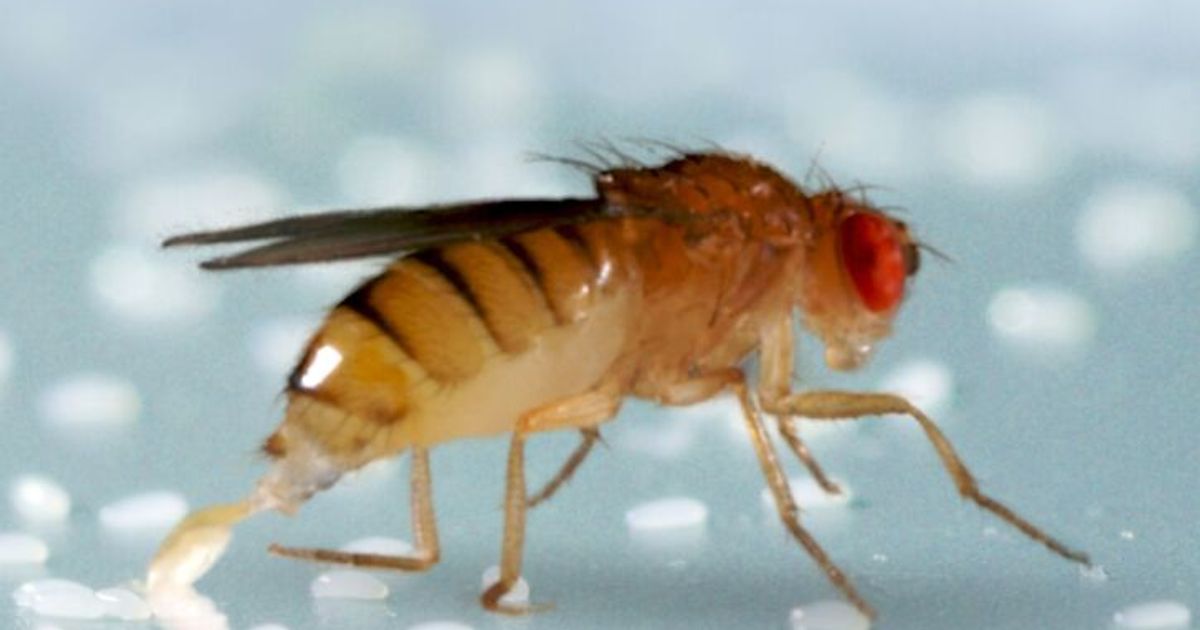
Die Artenvielfalt von Taufliegen (Drosophila) im Raum Wien ist in den vergangenen drei Jahrzehnten massiv eingebrochen. Forschende des Naturhistorischen Museums (NHM) Wien berichten, dass die Zahl der in der Stadt nachgewiesenen Arten im Vergleich zu einer Erhebung aus dem Jahr 1994 um rund 50 Prozent gesunken ist. Die Ergebnisse, die nun im Fachjournal „Ecology and Evolution“ veröffentlicht wurden, deuten darauf hin, dass vormals häufige Arten durch zugewanderte Taufliegen verdrängt worden sein könnten.
Grundlage der aktuellen Analyse ist das Citizen-Science-Projekt „Vienna City Fly“, das 2024 einfache Fliegenfallen an freiwillige Laienforscher in Wien, Niederösterreich und dem Burgenland verteilte. Die zurückgesandten Proben wurden für die nun publizierte Studie gezielt auf Fänge in unmittelbarer Nähe menschlicher Siedlungen beschränkt – also auf Innenräume, Balkone und Gärten. Damit liegt ein detailliertes Bild jener Drosophila-Gemeinschaft vor, die besonders eng an vom Menschen geprägte Lebensräume gebunden ist.
Insgesamt wurden mehr als 18.000 Taufliegen gesammelt und taxonomisch bestimmt; dabei identifizierte das Team um NHM-Forscher Martin Kapun 13 Drosophila-Arten. Bemerkenswert ist der Nachweis zweier Arten, die bislang in Österreich nicht registriert waren: Drosophila (D.) mercatorum und D. virilis. D. mercatorum ist ursprünglich in den USA, Mexiko und Südamerika verbreitet und wurde im vergangenen Jahrhundert nach Europa eingeschleppt, D. virilis stammt aus Asien und hat sich erst seit relativ kurzer Zeit über die nördliche Hemisphäre ausgebreitet.
Die Zusammensetzung der Populationen zeigt eine deutliche Verschiebung hin zu wenigen dominanten Generalisten. D. mercatorum mit rund 8.800 Nachweisen und die Modellorganismus-Art D. melanogaster mit etwa 6.700 Funden waren die mit Abstand häufigsten Spezies in den Proben. „Dominiert wird die Drosophila-Population im Wiener Stadtgebiet von Generalisten mit starker Affinität zum Menschen“, erklärte Kapun der Austria Presse Agentur zufolge. Die Ergebnisse unterstreichen, dass zunehmende Verbauung und die starke Prägung durch menschliche Siedlungen mit einem Rückgang der Biodiversität einhergehen können – auch bei unscheinbaren Insekten, die als wichtige Indikatoren für den Zustand urbaner Ökosysteme gelten.