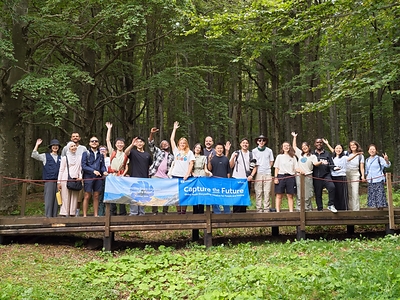
PONTREMOLI, Italy, Sept. 7, 2026 /PRNewswire/ -- vivo and the UNESCO Man and the Biosphere (MAB) Programme have brought the 2026 Capture the Future: Global Youth Storytelling Initiative for People and Nature to its final chapter with a five-day Co-Creation Camp in the Appennino Tosco Emiliano Biosphere Reserve, held from August 31 to September 5 and bringing together 15 young creators from around the world.
Selected through the initiative's global open call, the students, young photographers and visual storytellers came together in Italy to explore the relationship between people and nature through immersive field experiences, expert-led sessions and collaborative visual storytelling. Using vivo smartphones, they created original photo essays and short films.
From a global call to a shared creative journey
Launched by vivo and UNESCO MAB in March 2026, Capture the Future invited young people to share visual stories about the relationship between people and nature in UNESCO Biosphere Reserves. The global call received 745 submissions from young people in 98 countries, with stories linked to more than 120 UNESCO Biosphere Reserves across the World Network.
The initiative's reach extended beyond the global call as well. In April, a series of capacity-building workshops brought visual storytelling and the people-and-nature theme to students from Penang Hill in Malaysia to the University of Alexandria in Egypt, before culminating in a session at the University of Milan — engaging more than 600 students.
The Co-Creation Camp marked the culmination of this year-long journey. Guided by a multidisciplinary mentor team including vivo imaging expert Keshav Chugh, UNESCO MAB communication specialist Manoel Giffoni, ZEISS Ambassador Solli Kanani and award-winning film director Marko Roth, the 15 selected creators explored the landscapes, biodiversity, traditions and communities of the Appennino Tosco Emiliano Biosphere Reserve, turning their observations and experiences into original visual stories.
"This experience allowed me to capture my impressions of the past, the present and the future of the Biosphere Reserves. We all found a common meaning within different realities and this connection will stay deep in my heart."
— Lea Meny, Germany
"What touched me most was their curiosity, openness, and strong connection to their own places and communities. Many of their stories are deeply personal, while also connected to bigger questions about nature, culture, and the future."
— Solli KANANI, Co-Creation Camp Mentor
From local stories to a global audience
On September 5, the Camp closed with an exhibition and screening event, during which participants presented their visual works to local audiences. The stories created during the Camp will continue their journey beyond Italy, with selected works to be shared through vivo and UNESCO MAB's global platforms. A documentary will also capture the creative journey and experiences of the young storytellers.
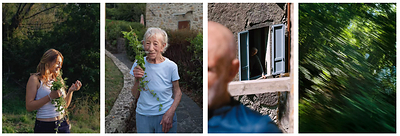
From the global open call and campus workshops to the Co-Creation Camp, Capture the Future has created a platform for young people to observe, create, and share stories about people and nature. As the initiative continues, the work of the visual storytellers will continue to connect local experiences to a global conversation about a more sustainable future.
 View original content to download multimedia:https://www.prnewswire.co.uk/news-releases/vivo-and-unesco-mab-bring-young-voices-together-in-italy-to-capture-the-future-302871319.html

Mercedes-Benz verzeichnet ein zunehmend zweigeteiltes Bild seiner weltweiten Fahrzeugverkäufe. Während die Konzernzahlen im dritten Quartal 2026 global rückläufig waren, meldet die Indien-Tochter ein Rekordquartal. In Indien setzte Mercedes-Benz im Zeitraum Juli bis September 5.422 Fahrzeuge ab, ein Plus von 6 Prozent gegenüber dem Vorjahr und zugleich der beste Quartalswert in der Geschichte des Unternehmens im Land. Von Januar bis September summierten sich die Verkäufe dort auf 15.190 Einheiten, rund 8 Prozent mehr als im entsprechenden Vorjahreszeitraum.
Auf Konzernebene dagegen schrumpften die Auslieferungen im gleichen Quartal. Weltweit setzte Mercedes-Benz 491.700 Pkw und leichte Nutzfahrzeuge ab, ein Minus von 6 Prozent im Vergleich zum Vorjahr. Im Pkw-Geschäft allein sanken die globalen Verkäufe um 8 Prozent auf 407.200 Einheiten. Besonders belastend wirkte die Entwicklung in Asien und hier vor allem in China: In der Volksrepublik gingen die Pkw-Verkäufe um knapp ein Drittel auf 86.800 Fahrzeuge zurück, konzernweit meldete der Hersteller für Asien ein Minus von 25 Prozent auf 132.300 Autos. Ein Zuwachs in Europa und Nordamerika reichte nicht aus, um die Schwäche in China zu kompensieren.
Kontrastreich präsentiert sich auch das Bild in den oberen Preissegmenten. In Indien trugen Top-End-Luxusmodelle – darunter S‑Klasse, Mercedes‑Maybach, EQS Maybach SUV, G‑Klasse, V‑Klasse und AMG‑Modelle – maßgeblich zum Wachstum bei: Diese Klasse legte dort im Jahresvergleich um mehr als 13 Prozent zu und kam auf über ein Viertel des Gesamtabsatzes. Innerhalb dieses Segments nutzten laut Unternehmen fast drei Viertel der Kunden das MANUFAKTUR‑Personalisierungsprogramm. Die Performance-Marke AMG steigerte ihre Auslieferungen in Indien um mehr als 18 Prozent, das AMG G 63 erzielte den höchsten monatlichen Absatz seit Markteinführung. Global hingegen verzeichnete Mercedes-Benz im teuersten Segment aus S‑Klasse, Maybach und AMG ein deutliches Minus von gut 20 Prozent im dritten Quartal.
Stärker als die Verbrenner legten weltweit die batterieelektrischen Modelle zu. Vertriebs- und Marketingvorstand Mathias Geisen sprach von dem höchsten Quartalsabsatz vollelektrischer Pkw in der Unternehmensgeschichte; in Europa war nahezu jedes dritte verkaufte Auto rein elektrisch. Der elektrische GLC trug dabei überproportional zum Wachstum bei und vervielfachte seine Verkäufe gegenüber dem zweiten Quartal. In Indien setzt der Konzern seinen Fokus ebenfalls auf Elektrifizierung: Dort stehen die Markteinführung einer elektrifizierten S‑Klasse mit Auslieferungsstart Mitte Oktober sowie die Premiere des GLC BEV Anfang November an, die das Portfolio am Subkontinent weiter ausbauen sollen.
Die Transportersparte Vans erwies sich zuletzt als Stabilitätsanker. Mit einem Plus von 1 Prozent auf 84.400 Fahrzeuge hielt sich das Segment im dritten Quartal nahezu auf Vorjahresniveau. Insgesamt aber bleibt der Druck auf das Kerngeschäft hoch, da der Wettbewerb im wichtigen Markt China nach Konzernangaben intensiv und das Umfeld weiterhin schwierig ist. In dem Land gehören der GLC und die E‑Klasse zu den meistverkauften Baureihen des Herstellers und machen dort fast zwei Drittel der Pkw-Verkäufe aus. Die anhaltende Schwäche in China, die bereits im zweiten Quartal mit einem Absatzminus von rund 30 Prozent sichtbar war, unterstreicht für Mercedes-Benz die Bedeutung eines breiter diversifizierten Wachstums – mit Märkten wie Indien, in denen das Premium- und Luxusgeschäft derzeit gegensätzlich zum Trend zulegt.