LAS PALMAS DE GRAN CANARIA, Spain, April 28, 2026 /PRNewswire/ -- Global leading tire company Hankook Tire & Technology (Hankook), the exclusive tire supplier to the FIA World Rally Championship (WRC), has successfully concluded Round 5 of the 2026 WRC, Rally Islas Canarias, held from April 23 to 26 in the Canary Islands, Spain.

First launched in 1977, Rally Islas Canarias celebrated its 50th anniversary this year. After joining the WRC calendar last season, the rally completed its second edition as an official championship round. The event unfolded across Gran Canaria Island, centered around Las Palmas, spanning approximately 322.61 kilometers over 18 Special Stages (SS).
The rally took place on a highly demanding course featuring the rough, high-abrasion asphalt surfaces characteristic of volcanic terrain, combined with repeated dramatic elevation changes. In the higher-altitude stages above 1,000 meters, dense fog and localized rainfall caused rapid shifts in road conditions, making weather the defining variable of the competition.
On the opening day, the Super Special Stage at the BP Ultimate - Circuito Islas Canarias featured side-by-side racing on a shared course layout. Despite the relatively short distance, the stage delivered intense early competition, where even minor differences in pace translated directly into position changes.
Hankook supported consistent performance by supplying its advanced tarmac rally tires, the Ventus Z215 and Ventus Z210, specifically engineered for extreme conditions. Both tires delivered reliable grip and control at high speeds and through continuous cornering sections, enabling drivers to maintain stability on technically demanding routes.
In this fifth round, Sébastien Ogier of TOYOTA GAZOO Racing World Rally Team claimed his first victory of the season. The team swept the podium in this round, while in the Drivers' Championship, teammate Elfyn Evans leads with 101 points, with Takamoto Katsuta close behind on 99 points.
The 2026 WRC season now moves to Round 6, the Vodafone Rally de Portugal, scheduled from May 7 to 10 in northern Portugal. With the majority of its route consisting of unpaved surfaces, the rally is widely regarded as one of the most demanding events in the championship. During the event, Hankook will operate a dedicated 'Brand World' booth within the service park, leveraging motorsport content and hands-on experience programs to convey the brand's premium image.
Since becoming the exclusive tire supplier for all WRC classes in 2025, Hankook has continued to demonstrate its top-tier technological capability and product competitiveness. By integrating data accumulated from more than 70 global motorsport championships into its R&D, Hankook continues to drive innovation in high-performance tire technology while strengthening the global leadership of the Ventus brand.

Photo - https://mma.prnewswire.com/media/2967342/Photo_1__2026_WRC_Rally_Islas_Canarias___TOYOTA_GAZOO_Racing_World_Rally_Team.jpg
Logo - https://mma.prnewswire.com/media/2866236/Hankooktire_CI_Logo.jpg
 View original content:https://www.prnewswire.co.uk/news-releases/hankook-demonstrates-strong-performance-in-extreme-conditions-at-wrc-rally-islas-canarias-2026-302755230.html

Die Porsche Holding Salzburg hat 2025 das beste Geschäftsjahr ihrer Firmengeschichte erzielt und ist nach 2020 erneut zum umsatzstärksten Unternehmen Österreichs aufgestiegen. Der Umsatz kletterte von 28,7 Milliarden Euro im Jahr 2024 auf 40,7 Milliarden Euro, ein Plus von gut 42 Prozent. Das Automobilhandelsunternehmen ist von Salzburg aus in 29 Ländern auf drei Kontinenten aktiv und profitiert zunehmend von seiner breiten internationalen Aufstellung.
Haupttreiber des Sprungs war die Übernahme der Großhandelsverantwortung für die Volkswagen-Konzernmarken in Italien und Schweden. Beide neuen Märkte steuerten 2025 zusammen mehr als ein Viertel zum Gesamtumsatz bei und ließen die Holding bei Stückzahlen und Erlösen in neue Dimensionen wachsen. Im Großhandel verdoppelte sich der Umsatz dank der zusätzlichen Absatzmärkte von 11,3 Milliarden Euro auf 24,6 Milliarden Euro. Der Neuwagenabsatz im Groß- und Einzelhandel legte um 65,6 Prozent auf 912.034 Fahrzeuge zu.
Auch ohne Italien und Schweden fällt die Bilanz der vergangenen Jahre deutlich positiv aus. Seit Beginn der Pandemie 2020 erhöhte die Porsche Holding ihren Umsatz in den bestehenden Märkten von 21,5 Milliarden Euro auf 30,8 Milliarden Euro. Im Einzelhandel gelang es, das Ergebnis 2025 trotz volatiler Rahmenbedingungen, schärferem Wettbewerb und spürbaren Rückgängen in China leicht zu übertreffen; der Umsatz stieg hier minimal auf 20 Milliarden Euro. Im traditionell starken Markt China verzeichnete die Holding dagegen bereits das dritte Jahr in Folge deutliche Umsatzrückgänge, was ein noch besseres Einzelhandelsresultat verhinderte.
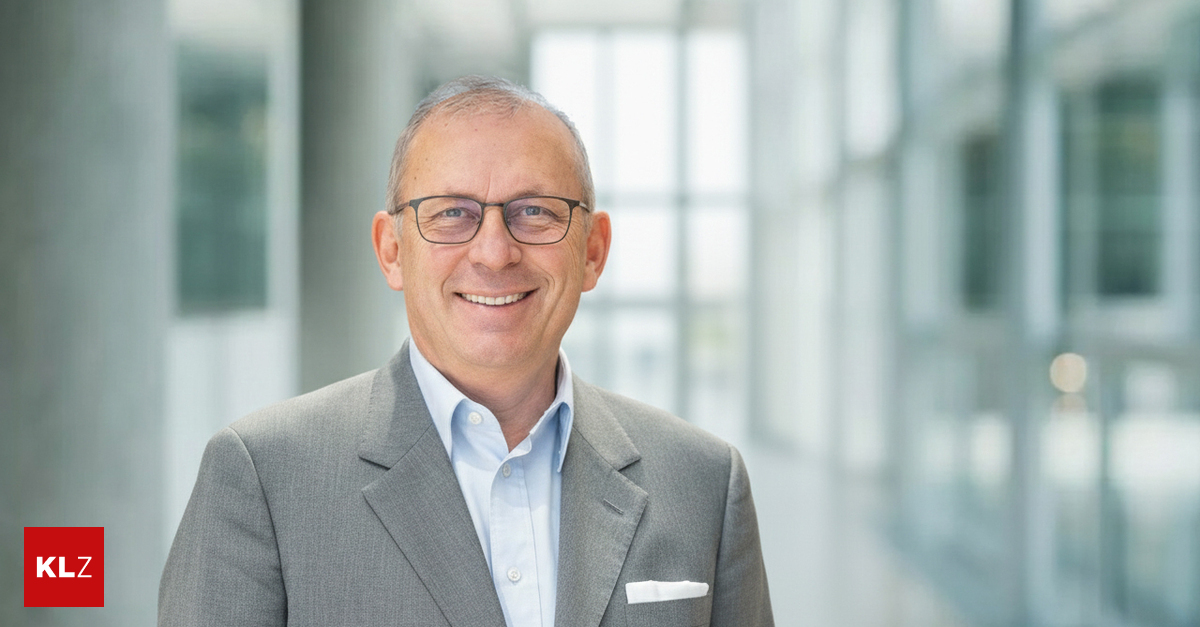
Die Zahl der Mitarbeiter blieb trotz des massiven Umsatzanstiegs weitgehend stabil. Weltweit beschäftigte die Porsche Holding 2025 rund 36.917 Menschen, ein Rückgang von lediglich 0,3 Prozent. Die Zahl der Händlerstandorte verringerte sich um elf auf 487. Vorstandssprecher Hans Peter Schützinger betonte, dass für das Unternehmen nicht die reine Umsatzgröße im Vordergrund stehe, sondern Kundenzufriedenheit, Profitabilität, Effizienz und Resilienz. Das Geschäftsmodell habe sich 2025 angesichts angespannter wirtschaftlicher und politischer Rahmenbedingungen als widerstandsfähig erwiesen; die vollständige Abdeckung der automobilen Wertschöpfungskette ermögliche es, regionale Marktschwankungen innerhalb der Unternehmensgruppe auszugleichen.